The Cold War Ancestor of Modern Scanning
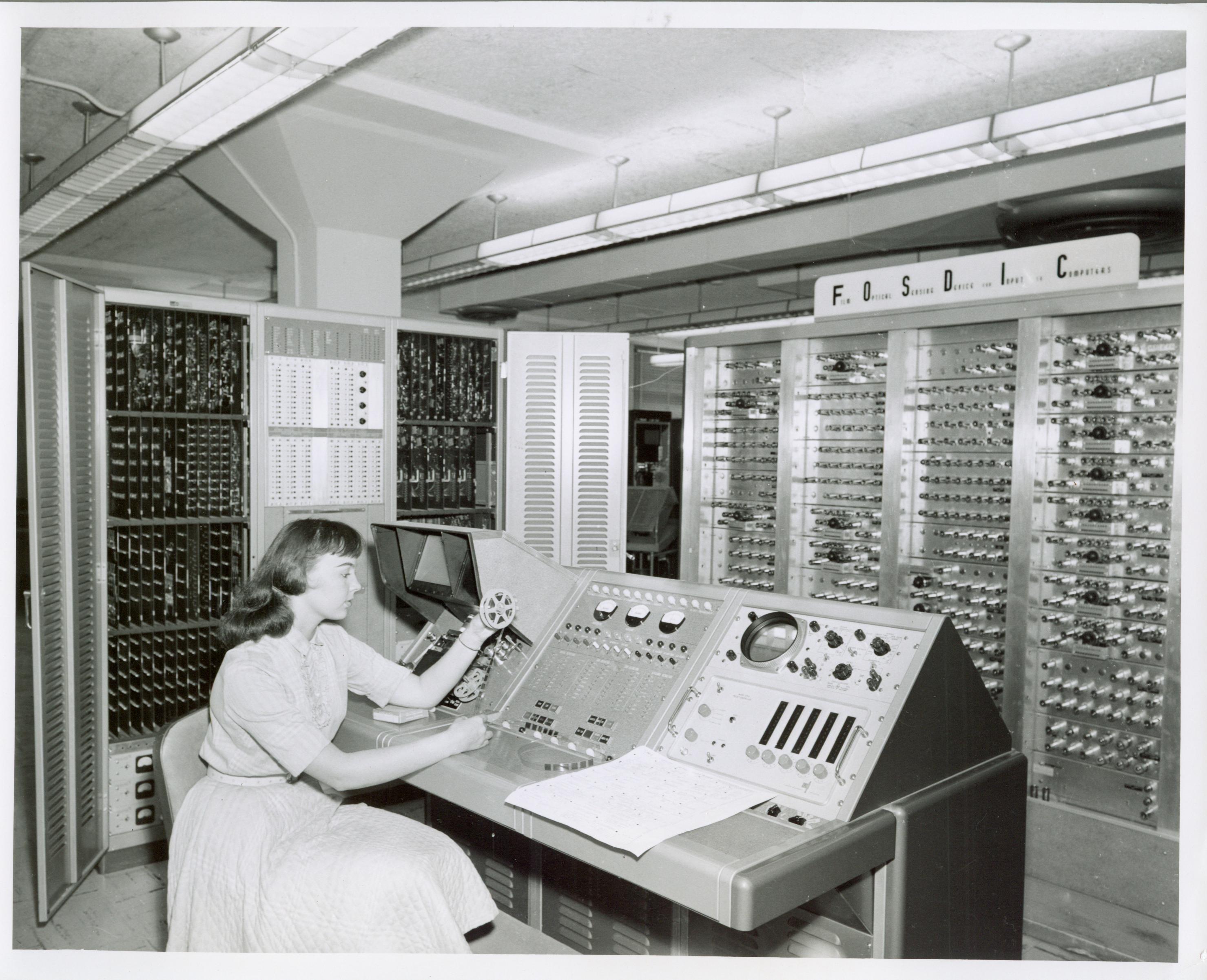
Before modern digital scanners, the government used a machine called FOSDIC to transform millions of microfilm records into computer data. This invention was the essential link that allowed the first census computers to process the nation.
During the 1950s, the U.S. Census Bureau struggled with the impossible task of manually organizing vast piles of paper records. They turned to the National Bureau of Standards to build a system that could optically read microfilm and store it on magnetic tape. This breakthrough allowed massive amounts of analog information to become searchable for the first time. It serves as a fascinating reminder that our digital era began with bulky machines reading tiny rolls of film.
Source: FOSDIC