The Man Who Predicted Economic Efficiency
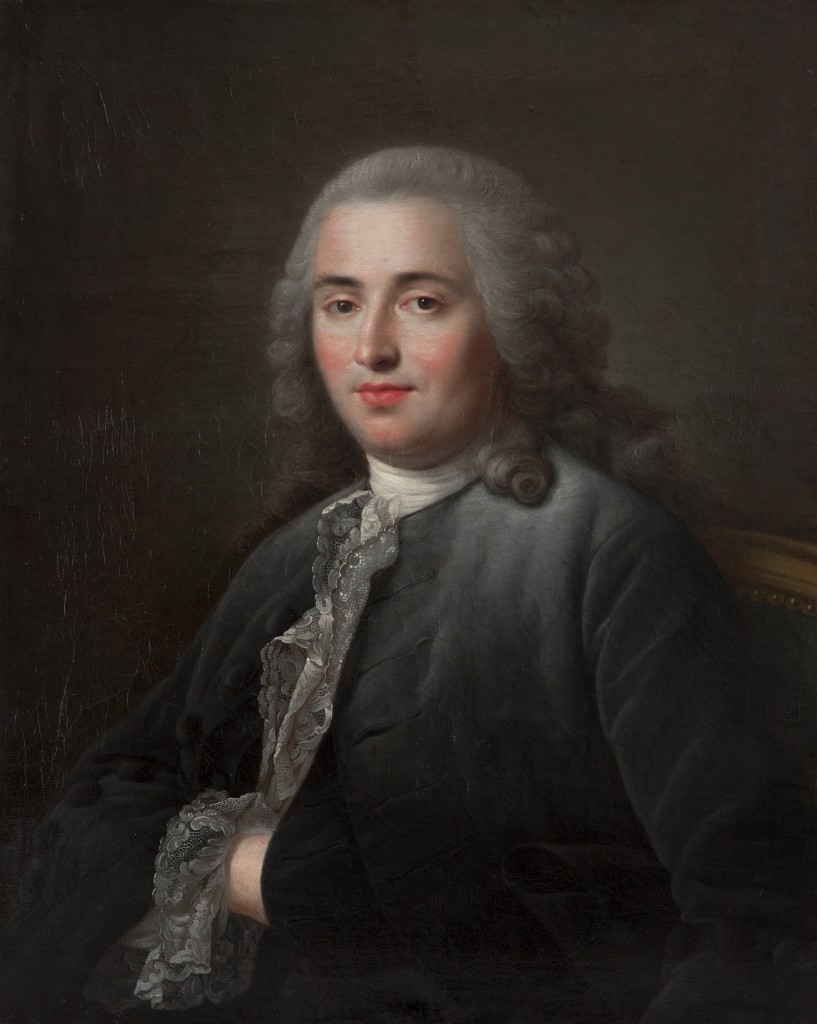
Long before modern economics existed, a French official named Turgot realized that repeatedly adding labor to a single plot of land eventually yields smaller and smaller harvests. This observation became the foundation for how we understand production today.
Turgot served as a high-level government advisor who pushed for free trade and individual liberty in 18th-century France. He noticed that while adding more workers helps at first, there is a natural limit where extra effort starts producing diminishing rewards. This breakthrough insight, now known as the law of diminishing marginal returns, changed how we think about resource management. It remains one of the most vital concepts in modern economic science.
Source: Anne Robert Jacques Turgot